
World Center for Strategic Studies
From closed analysis to public debate
POPULAR
- MONTH
- YEAR

Europe’s Fighter Dream Crashes: Berlin Walks Away
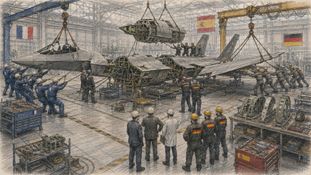
The IISS analysis delivers a harsh warning for European defence.
A flagship Franco-German-Spanish plan to build a next-generation fighter now looks broken.
The project was meant to prove Europe could act like a serious military power.
Instead, it has exposed the same old problem: national industry, political pride and strategic mistrust getting in the way of hard capability.
Britain’s Brexit Hangover: Starmer Falls, Chaos Stays

The Atlantic Council dispatch paints a grim picture of a country still trapped in the aftershock of Brexit.
Keir Starmer’s exit is not treated as a clean reset, but as another sign of Britain’s broken political machine.
Europe’s Migration Pact Arrives With A Warning Label
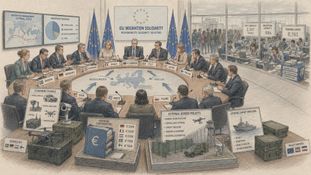
The EU’s new Migration and Asylum Pact has entered into force, but the CIDOB opinion argues that Brussels is still selling certainty where there is far too much doubt. The reform is meant to prove that Europe can finally manage asylum, returns, border pressure and solidarity in one coherent system.
Europe’s Green Spending Waiver Sparks A Fiscal Revolt
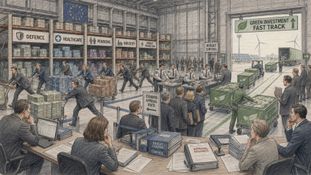
Brussels is trying to give governments more room to spend on green investments as energy prices bite again. But the Politico report shows the plan is already running into trouble from the very countries that usually defend climate action and fiscal discipline.
Europe’s Climate Flagship Hits The Factory Wall

Europe’s industrial giants are no longer politely asking Brussels for help. They are demanding a freeze on the EU’s flagship carbon-pricing system before it does more damage to the continent’s manufacturing base. The Politico report shows ArcelorMittal, ThyssenKrupp, Voestalpine and BASF warning that rising Emissions Trading System costs are hammering sectors already squeezed by high energy prices, weak demand and global competition.
Channel Crackdown: Europe Throws More Police At A Border It Still Cannot Control

The EU is stepping deeper into the Channel migration fight, promising more staff, more surveillance and tighter co-operation with Britain and France. The RFI report shows Brussels trying to turn one of Europe’s most politically toxic routes into a managed security operation.
France’s Enlargement U-Turn: Paris Still Cannot Sell It At Home

France is finally admitting that EU enlargement is a geopolitical necessity – but the Ifri/IPQ article shows how fragile that shift really is. Paris has moved a long way from its old habit of slowing the process, yet its new support remains cautious, conditional and politically exposed.