
World Center for Strategic Studies
From closed analysis to public debate
POPULAR
- MONTH
- YEAR

Europe’s Energy Shield Still Has Cracks
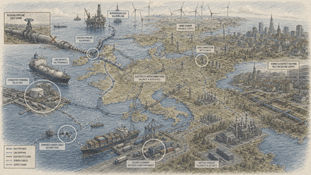
Europe is safer than it was during the 2022 gas panic – but TEPSA warns that safer does not mean secure. The EU has cut Russian gas, diversified suppliers, filled storage more professionally and accelerated clean-energy deployment. That is real progress.
Europe’s Gas Reserve Chance: Romania Has The Fuel, Ukraine Has The Vault
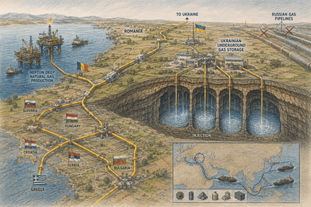
Romania is about to become one of Europe’s most important new gas players – and CEPA argues the EU should stop treating that as a narrow national windfall. With Black Sea production from the Neptun Deep project expected to start in 2027, Romania may have surplus gas at exactly the moment Europe is trying to finish its break with Russian supply.
Europe’s Nuclear Comeback: Big Promise, Bigger Delivery Problem
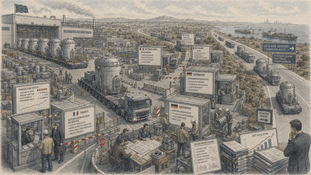
Nuclear power is back in Brussels’ good books – but the CEPS report warns that political fashion will not build reactors. After years of energy shocks, Russian pressure, expensive gas and industrial anxiety, the EU is again looking at nuclear as a homegrown source of low-carbon, dispatchable power.
Britain’s Climate Reality Check: Fires Are Now An Economic Threat
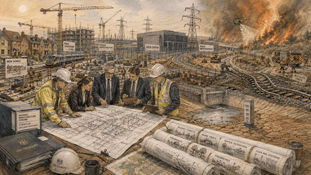
Europe is burning, and Chatham House says Britain’s new government cannot treat this as another summer emergency. Record heatwaves, drought and wildfires have exposed a harsh truth: climate adaptation is still treated as a side issue when it should be at the centre of economic policy, public investment and foreign policy.
Europe’s Carbon Credit Gamble: Brussels Risks Buying Hot Air
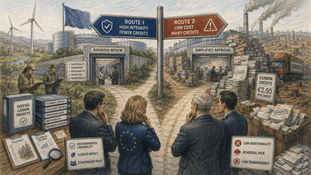
Europe is reopening the door to international carbon credits as part of its 2040 climate target. The Bruegel policy brief treats this as a potentially useful tool – but one loaded with old traps that could shred the EU’s climate credibility if handled badly.
Europe’s Energy Reality Check: Green Ambition Hits the Wall
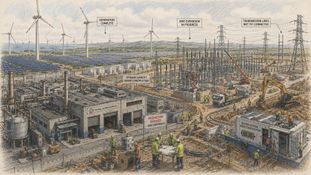
Institut Montaigne’s action-note trilogy gives Brussels a blunt warning on energy.
The EU still wants carbon neutrality by 2050, but the path to get there is now full of traps.
Europe’s Energy Trap: Clean Power, Dirty Dependence
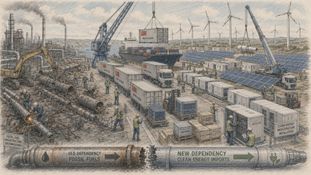
Geopolitical Futures’ graphic shows the energy transition turning into a hard geopolitical race.
Clean energy is now pulling in almost twice as much global investment as fossil fuels, but this is not a neat green victory lap.