World Center for Strategic Studies
From closed analysis to public debate
- MONTH
- YEAR

Europe’s Energy Shield Still Has Cracks
Europe is safer than it was during the 2022 gas panic – but TEPSA warns that safer does not mean secure. The EU has cut Russian gas, diversified suppliers, filled storage more professionally and accelerated clean-energy deployment. That is real progress.
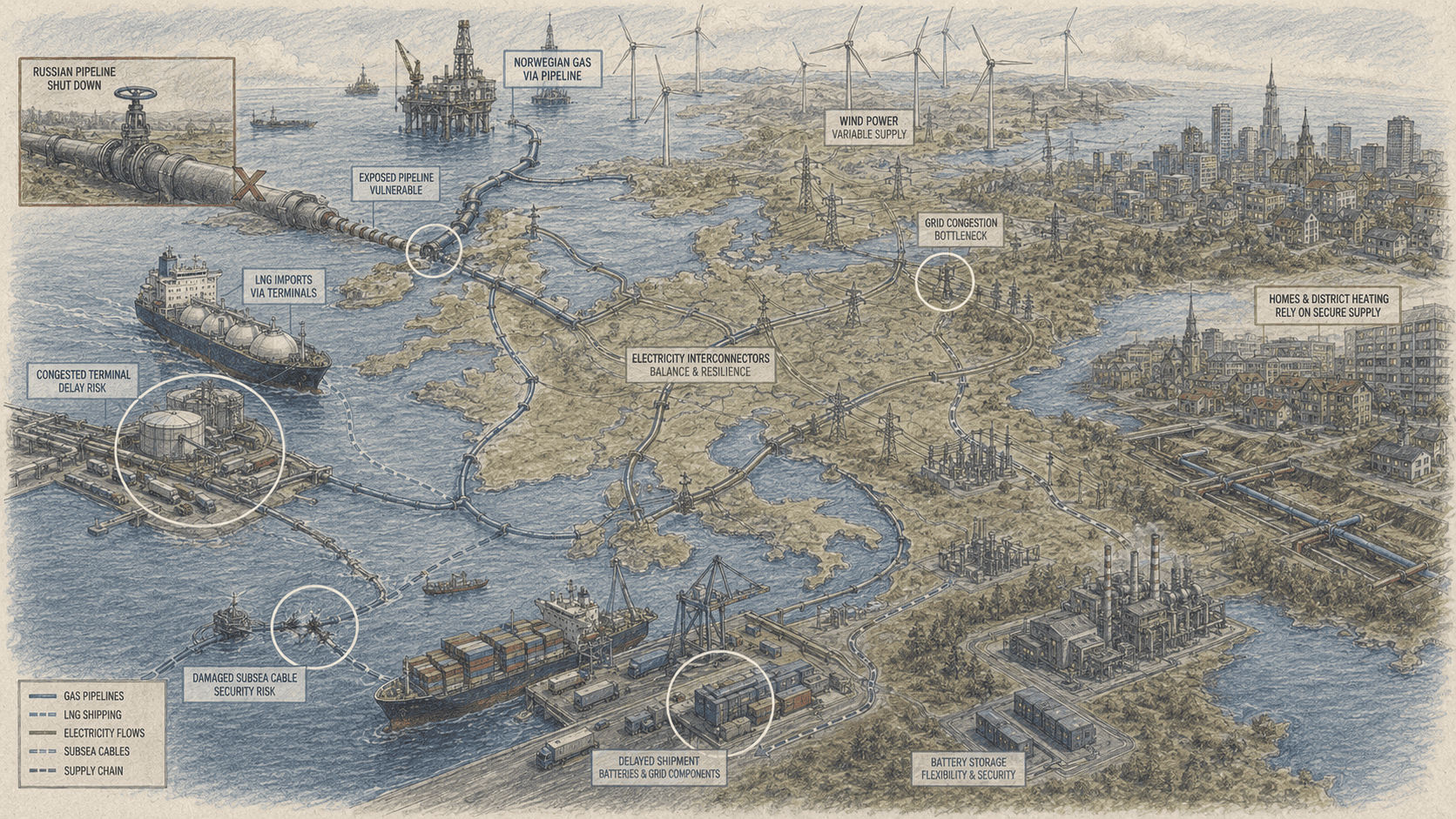
But the brief’s message is sobering: Europe has not escaped energy vulnerability. It has changed the shape of it. Russian pipeline dependence has been replaced by new exposure to LNG markets, Norwegian infrastructure, electricity grids, cyber risks, critical minerals and fragile clean-tech supply chains.
The old crisis was about gas. The next one could hit the whole system.
Russia is down – not gone
Europe’s biggest achievement is clear. Russian pipeline gas no longer dominates the EU’s energy map.
That matters because Moscow’s old leverage over European economies has been badly reduced. Storage rules, demand cuts, LNG terminals and new supply routes have made the continent harder to blackmail than in 2022.
But TEPSA’s warning is that this should not be confused with strategic safety. Some Russian gas still remains in the system, and the EU’s planned 2027 phase-out will require discipline, enforcement and alternatives that actually work.
Europe has weakened one weapon. It has not made itself immune.
Norway becomes the quiet choke point
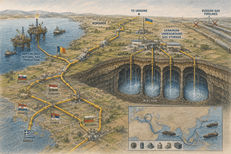
Norway is now Europe’s crucial gas partner. That is much safer than depending on Russia, but it creates a different vulnerability.
Norwegian gas reaches Europe through concentrated offshore infrastructure, pipelines and processing facilities. A technical failure, accident, cyberattack, sabotage attempt or wider security incident could still cause serious disruption.
The political risk is lower. The infrastructure risk is not.
That is the uncomfortable lesson: friendly suppliers can still create fragile systems if too much depends on too few routes.
LNG is freedom with strings
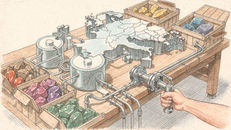
Liquefied natural gas helped Europe survive the Russian shock. But it also tied the EU more tightly to global markets.
Europe now competes with Asian buyers, depends on liquefaction plants abroad, shipping lanes, regasification terminals and long-distance supply contracts. That means disruption in the Gulf, US export politics, shipping bottlenecks or sudden Asian demand can hit European prices fast.
LNG diversification gave Europe options. It also imported global volatility.
Brussels swapped one dependency for a basket of new ones.
Electrification raises the stakes
The energy transition is supposed to make Europe more secure by reducing fossil-fuel imports. TEPSA agrees – but only if the new system is resilient.
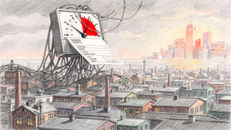
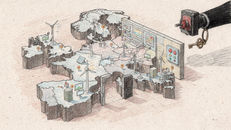
As heat pumps, electric vehicles, data centres and industrial electrification expand, electricity becomes the backbone of the economy. That makes grids, interconnectors, transformers, storage and digital control systems critical national-security assets.
A more electrified Europe can be cleaner and less exposed to fossil shocks.
But if the grid is weak, congested or poorly protected, electrification becomes another vulnerability.
Critical minerals are the new pressure point
Europe’s clean-energy future depends on minerals, components and manufacturing chains it often does not control.
Batteries, wind turbines, solar panels, grid equipment and power electronics rely on raw materials and industrial capacity concentrated outside Europe, often in China or in politically sensitive supply chains.
That means decarbonisation reduces one kind of dependency while creating another.
Europe cannot call the transition secure if the hardware behind it is imported through fragile and geopolitically exposed channels.
Cyber and sabotage risks are rising
TEPSA pushes energy security beyond old questions of fuel supply.
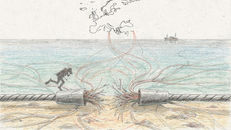
Pipelines, LNG terminals, offshore platforms, grids, interconnectors and digital systems are all possible targets. Ukraine has shown how energy infrastructure becomes a battlefield. The Baltic has shown how vulnerable cables and pipelines can look in a grey-zone environment.
The EU has rules on critical entities, cybersecurity, electricity preparedness and gas security. But the brief argues these frameworks still cover pieces of the problem rather than the full system.
Europe’s energy network is becoming more complex. Protection is still catching up.
Process must become resilience
The policy answer is not one magic fix. TEPSA argues for deeper stress testing, stronger infrastructure protection, better regional coordination, more secure clean-tech supply chains, improved storage, demand-side flexibility and clearer crisis governance.
That sounds technical, but the stakes are political.
Energy shocks destroy competitiveness, anger voters, weaken industry and give hostile powers leverage. If Europe wants strategic autonomy, energy resilience must be treated as hard security, not just market management.
The ugly reality: Europe is tougher, but still exposed
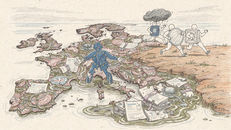
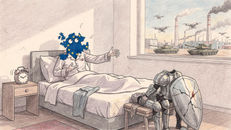
TEPSA’s brief delivers a clear warning. Europe has learned from the last crisis, but it has not escaped the next one.
The EU is more resilient than in 2022. It has more routes, more storage, more renewables and fewer Russian chains around its neck. But the system remains exposed to infrastructure attacks, supplier concentration, global LNG shocks, mineral dependencies and grid fragility.
Europe’s mistake would be declaring victory because the old vulnerability has shrunk.
The next energy crisis may not look like the last one – and that is exactly why Brussels cannot relax.