
World Center for Strategic Studies
From closed analysis to public debate
POPULAR
- MONTH
- YEAR

Europe is wobbling: EU break-up risk is rising as the economy weakens
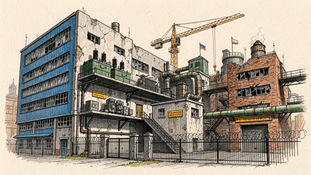
This IRIS analysis delivers a sharp warning Europe does not want to hear – the risk of EU fragmentation is no longer theoretical. Economic weakness, repeated crises, and rising political polarisation are building pressure inside the Union. The text argues Europe needs “productive resilience” – real industrial and economic capacity – to hold the EU together. Without it, Europe risks becoming a bloc held by rules and habit, not by strength, growth or shared confidence.
“Awake now”: the US and Europe are waking up – but Europe is still dangerously behind

This CEPA analysis argues the West is finally shaking off years of complacency. Russia’s war in Ukraine and China’s rise have forced a rethink in both Washington and European capitals. But the text also makes one thing clear: Europe is still playing catch-up. The US has momentum, money, and strategic clarity. Europe has speeches, slow procurement, and political hesitation. The worry running through this analysis is obvious – Europe may be awake, but it is not ready.
Draghi’s warning still stands: Europe is drifting, divided, and falling behind
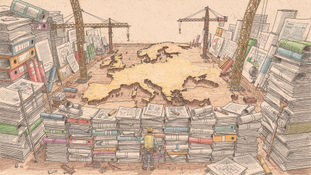
This final HCSS “Draghi Report Revisited” conclusion delivers a clear message – Europe has not fixed the problems Draghi highlighted, and in some areas it is slipping further back. The EU has launched initiatives, announced action plans and promised reforms, but the real gap remains: delivery is too slow, funding is too limited, and national politics still blocks a united strategy. The overall picture is gloomy. Europe faces tougher global competition, rising security threats, and a fragile economic base – yet it still struggles to act like a serious power.
Europe is sliding into economic trouble: and the US will feel the pain too
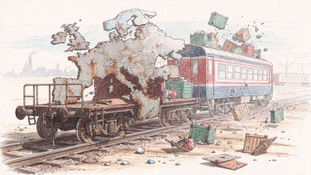
This AEI analysis argues Europe’s economic slowdown is not just Europe’s problem – it is a growing risk for the United States as well. A weaker Europe means weaker demand, less innovation, more political instability, and a less capable security partner. The author’s point is blunt: Europe is underperforming, falling behind the US in growth and productivity, and if this trend continues it will hurt American interests. Europe is supposed to be the US’s strongest ally. Right now, it looks like a drag.
Europe’s energy grid is a sitting duck: China could switch off the lights
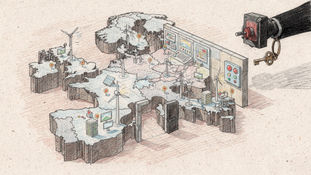
This ECFR analysis raises a frightening scenario Europe has not taken seriously enough – China could exploit hidden dependencies in Europe’s power system and trigger serious disruption, even without a conventional military conflict. As Europe electrifies its economy and pushes renewables, it is also importing critical hardware, software and components that can become strategic choke points. The warning is clear: Europe’s green transition is building a new vulnerability, and Beijing may have ways to weaponise it.
Europe’s trade reality is brutal: the EU can’t stand up to the US or China
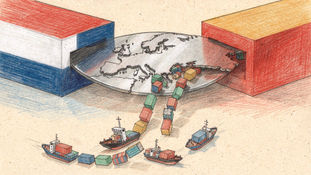
This CER analysis argues Europe is learning three hard lessons about trade in a world run by power politics, not polite rules. The EU likes to see itself as a global trade giant, but the past year has exposed how vulnerable it really is. Washington can pressure Europe without fear, Beijing can undercut Europe with state-backed industry, and Brussels struggles to respond because it is divided and dependent. The message is grim: Europe’s trade model was built for yesterday’s world – and it is being punished for it.
Europe is stuck in slow motion: EU inertia is becoming a serious threat
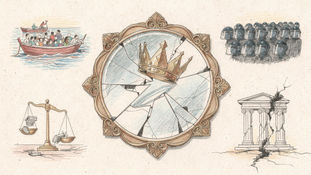
This ECFR article delivers a blunt warning – the EU is drifting into danger not because it lacks strategies, but because it lacks speed. From climate policy to defence readiness, Europe is moving too slowly to keep up with a world that has turned brutal and competitive. While rivals act fast and take risks, the EU debates, delays and waters things down. The core message is simple: Europe’s biggest enemy may not be Russia or China, but its own inertia.