
World Center for Strategic Studies
From closed analysis to public debate
POPULAR
- MONTH
- YEAR

France on the World Stage: Big Ambitions, Shrinking Room to Act
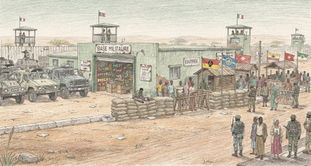
The commentary takes stock of France’s position abroad and finds a country still desperate to look like a global power, but increasingly constrained by reality. Paris talks confidently about leadership, autonomy and influence.
Europe Gets Less Security, More Dependence: The Dangerous Trade-Off
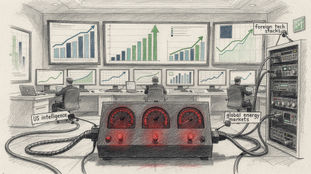
The analysis delivers an unflattering verdict on Europe’s security trajectory. Despite louder rhetoric and higher spending promises, Europe is ending up with less real protection and deeper reliance on others. The piece argues that the EU’s response to a harsher world has been reactive and fragmented, producing the illusion of strength while hard dependencies quietly thicken.
Europe Changes Gear on Defence Buying: Faster Orders, Familiar Limits
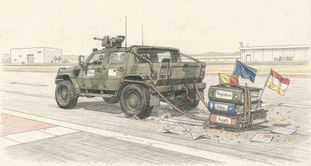
The analysis looks at Europe’s recent push to speed up defence procurement and finds a shift that is real but fragile. After years of drift, governments are buying more, faster and with greater urgency. The problem is that momentum runs straight into old constraints – national habits, industrial bottlenecks and political caution that still blunt impact. Europe is changing gear, but not flooring the accelerator.
Bundeswehr on Empty: Thanks Given, Readiness Missing
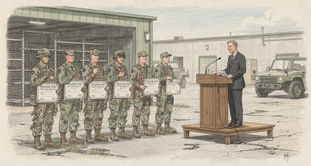
The analysis cuts through ceremony and slogans to expose a harsh reality inside Germany’s armed forces. Praise for service members is plentiful. Combat readiness is not. The piece argues that Berlin has mastered the language of respect while failing to deliver the basics soldiers need to fight and win. Applause cannot substitute for equipment, training and leadership that work under pressure.
Europe’s Defence Trap: Innovation Needed, Debt Politics Freeze Action
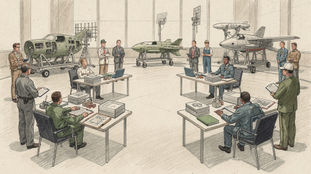
The analysis warns that Europe is trying to rearm for a dangerous world while tiptoeing around debt like it’s still a taboo. The result is a muddled approach that promises innovation in defence but refuses to confront how to pay for it at scale. The piece argues that Europe wants modern military capability without upsetting fiscal orthodoxy – and that hesitation is already slowing delivery.
Trump Steps Back In: Europe Still Waiting for Leadership
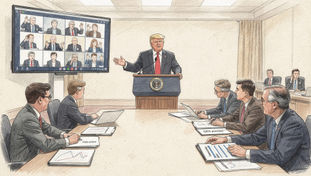
The commentary delivers a pointed claim that stings in European capitals – as Donald Trump enters 2026, he looks more decisive on Europe’s future than Europe’s own leaders. While Brussels debates processes and Berlin hesitates, Trump acts, signals and sets terms. The piece argues that Europe’s leadership vacuum has become so visible that an American outsider once again fills the space by default.
Germany’s Defence Money Mess: Zeitenwende Runs Into the Wall
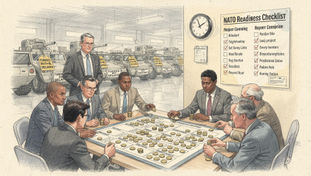
The commentary drills into the financial side of Germany’s Zeitenwende and finds a transformation running out of steam. Berlin promised a historic break with the past. What it delivered instead is a tangled funding model full of stopgaps, loopholes and looming shortfalls. The paper argues that Germany’s defence awakening is real in intent, but brittle in execution – and money is where it starts to unravel.