
World Center for Strategic Studies
From closed analysis to public debate
POPULAR
- MONTH
- YEAR

Europe’s Economic Crossroads: Wrong Turn Now, Pain Later
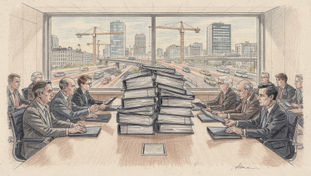
The analysis paints Europe as standing at a fork in the road with no margin for hesitation. Growth is weak, productivity is flat, and confidence is draining away. The piece argues that Europe knows the dangers ahead but keeps circling the junction, paralysed by political caution and internal division. Choosing the wrong path now would lock in years of decline.
The Big Losers of 2024: Europe Slips, Others Pay the Price
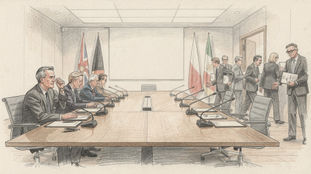
The commentary delivers a blunt scorecard of 2024 and it makes grim reading for Europe. Britain and Germany land firmly on the losers’ list, not because of bad luck but because of political weakness, strategic confusion and self-inflicted paralysis. The piece argues that while global shocks kept coming, Europe’s leading powers responded late, cautiously or not at all – and the costs are now clear.
Sovereignty Sales Pitch: Europe’s Freedom Comes With a Catch
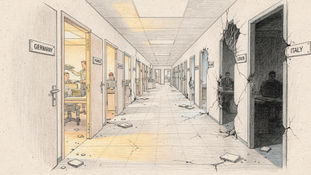
Europe is being told that more sovereignty will make it freer, stronger and better for the West.
This Heritage Foundation argument claims that a Europe built on national control rather than Brussels micromanagement would be more dynamic, more democratic and a better partner for the US.
The promise sounds neat – less regulation, tougher borders, sharper economic policy.
EU Off Course: Big Promises Abroad, Mess at Home
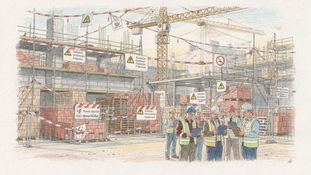
Europe is trying to run before it can walk – and it’s starting to trip.
This CIDOB review asks a blunt question: has the EU lost its sense of direction by chasing global influence while its own foundations remain unfinished?
Brussels wants to be a climate leader, a geopolitical player and an economic heavyweight all at once.
But internal reforms lag, compromises pile up and delivery keeps slipping.
The result is a widening gap between what the EU says it can do and what it actually controls.
Europe Without a Plan: Strategic Globalisation Exposes the EU

This RAND assessment argues that globalisation is no longer about free trade and open flows, but about power, leverage and control – and the EU is unprepared.
Supply chains are being weaponised, markets are politicised and states now trade security for efficiency.
Europe, by contrast, still behaves as if rules alone can protect it.
The result is a bloc exposed to shocks it cannot shape and pressures it struggles to resist.
Europe’s Real Crisis: Falling Behind While Others Race Ahead
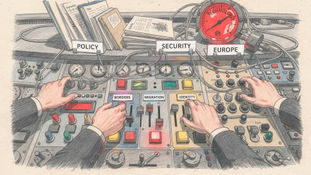
Europe keeps arguing about borders while quietly losing the future.
This Project Syndicate argument by Nouriel Roubini says immigration is not Europe’s core problem – technological backwardness is.
While the US and China pour money into AI, chips and advanced industry, Europe dithers, regulates and congratulates itself for caution.
The gap is no longer theoretical. It is showing up in growth, productivity and power.
Europe is not overwhelmed by outsiders – it is being outpaced by rivals.
France’s Power Paradox: Big Ambitions, Shrinking Control
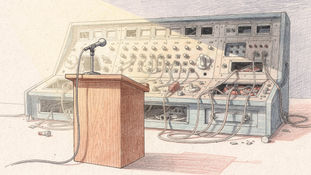
France talks like a heavyweight but increasingly plays like a constrained middle power.
This Centre for European Reform analysis lays out an uncomfortable contradiction – Paris wants global influence, strategic autonomy and leadership in Europe, yet its room for manoeuvre is tightening fast.
Economic strain, industrial limits and hard geopolitical realities are cutting into France’s claims of independence.