
World Center for Strategic Studies
From closed analysis to public debate
POPULAR
- MONTH
- YEAR

Europe’s Green Spending Waiver Sparks A Fiscal Revolt
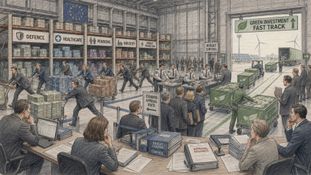
Brussels is trying to give governments more room to spend on green investments as energy prices bite again. But the Politico report shows the plan is already running into trouble from the very countries that usually defend climate action and fiscal discipline.
Europe’s Climate Flagship Hits The Factory Wall
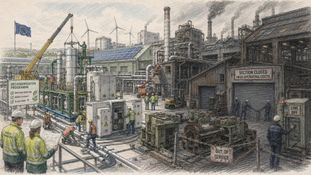
Europe’s industrial giants are no longer politely asking Brussels for help. They are demanding a freeze on the EU’s flagship carbon-pricing system before it does more damage to the continent’s manufacturing base. The Politico report shows ArcelorMittal, ThyssenKrupp, Voestalpine and BASF warning that rising Emissions Trading System costs are hammering sectors already squeezed by high energy prices, weak demand and global competition.
Europe’s Capital Markets Fix Has A Buyer Problem

Europe wants securitisation to unlock lending, spread risk and push more private money into the economy. But the CEPS commentary warns that Brussels may be staring at a basic market failure of its own making: it is still talking too much about banks and not enough about the investors who actually have to buy the risk
Germany’s China Gamble: Berlin Risks Choosing The Wrong Giant
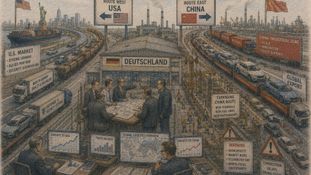
Germany is being warned that its China policy is drifting into danger. The National Interest commentary argues that Berlin is clinging to Beijing as a business lifeline just as the United States and several EU partners are hardening their line against Chinese trade abuses.
Aid System Meltdown: The West Is Losing Control Of Development
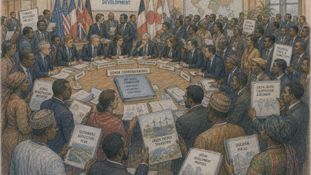
The global aid system is in deep trouble – and Europe is right in the middle of the mess. This CIDOB paper argues that development cooperation is facing not just a budget squeeze, but a governance crisis that exposes how badly the old Western-led model fits today’s world.
Europe’s Energy Panic Returns: The Options Are Running Out
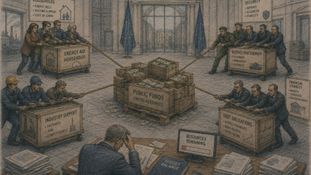
Europe is once again facing an energy shock driven by events beyond its borders. As war in the Middle East pushes up oil and gas prices, governments are scrambling to protect households and industry from another surge in costs. But the CER assessment highlights an uncomfortable reality: Europe’s room for manoeuvre is far smaller than it was during previous crises.
Europe’s Open Borders Are Becoming an Economic Liability
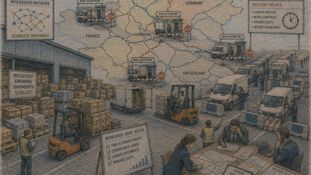
One of Europe’s greatest achievements is increasingly being treated as a security problem. Across the Schengen area, governments are reintroducing temporary border controls in response to migration pressures, security concerns and political demands. The Stratfor analysis warns that these measures may look temporary, but their economic consequences could become much harder to reverse.