
World Center for Strategic Studies
From closed analysis to public debate
POPULAR
- MONTH
- YEAR

The Donroe Doctrine Goes North: Europe Loses the Arctic High Ground
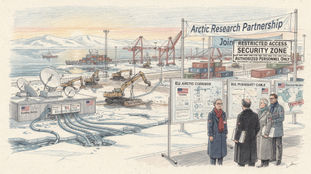
The analysis warns that Washington’s hardening “Donroe Doctrine” has now reached the Arctic – and Europe is not ready for the consequences. What once felt like a remote, cooperative space is turning into a theatre of power politics where the United States moves first and sets terms. The piece argues that Europe’s Arctic influence is thinning fast as American priorities tighten and security logic crowds out partnership.
Europe Ringed by Fire: 2026 Brings a Harder, Riskier World
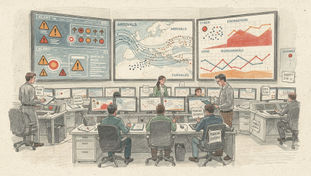
The commentary delivers a sobering security forecast for 2026 and makes one thing clear – Europe is entering a year of elevated danger with little margin for error. Conflict risks are multiplying on Europe’s borders and beyond, while the EU’s ability to shape events remains limited. The piece argues that this is no longer about isolated crises. It is about a crowded threat landscape where several conflicts could escalate at once and stretch Europe’s attention, resources and unity.
Europe’s Clean Tech Trap: China Builds, Europe Watches
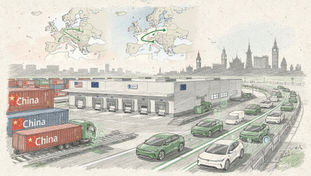
The analysis exposes an uncomfortable truth behind Europe’s green ambitions – the clean tech transition is increasingly being powered, shaped and captured by Chinese joint ventures on European soil. What is sold as cooperation and investment masks a deeper loss of control. The piece argues that Europe is repeating an old mistake: welcoming foreign capital to fix industrial weakness, then realising too late who owns the future.
Trump Steps Back In: Europe Still Waiting for Leadership
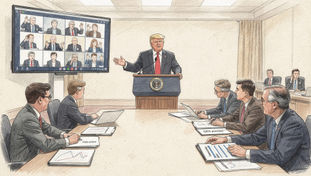
The commentary delivers a pointed claim that stings in European capitals – as Donald Trump enters 2026, he looks more decisive on Europe’s future than Europe’s own leaders. While Brussels debates processes and Berlin hesitates, Trump acts, signals and sets terms. The piece argues that Europe’s leadership vacuum has become so visible that an American outsider once again fills the space by default.
Germany’s Welfare Drift: Social Policy Stuck in Neutral
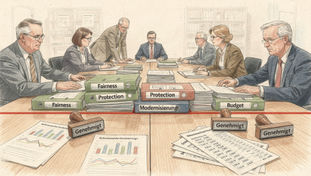
The analysis takes a hard look at Germany’s social policy record under the traffic light coalition and finds a reform agenda that promised change but delivered hesitation. Big pledges on fairness, protection and modernisation collided with budget limits, coalition infighting and a slowing economy. The piece argues that social policy has become reactive and fragmented, leaving Germany exposed as pressures mount.
Germany’s Defence Money Mess: Zeitenwende Runs Into the Wall
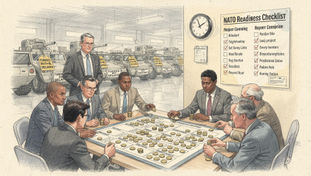
The commentary drills into the financial side of Germany’s Zeitenwende and finds a transformation running out of steam. Berlin promised a historic break with the past. What it delivered instead is a tangled funding model full of stopgaps, loopholes and looming shortfalls. The paper argues that Germany’s defence awakening is real in intent, but brittle in execution – and money is where it starts to unravel.
EU Stable at Home, Shaken Abroad: Calm Inside, Pressure Everywhere Else
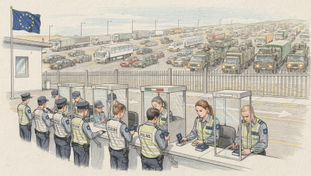
The analysis delivers a cautious but telling verdict on the European Union’s current state. Internally, the bloc has steadied itself after years of crisis politics. Institutions function, compromises hold, and collapse is off the table. Externally, however, the picture is far harsher. Europe faces mounting pressure from rivals, partners and a changing global order it struggles to shape. Stability inside has not translated into strength outside.