
World Center for Strategic Studies
From closed analysis to public debate
POPULAR
- MONTH
- YEAR

Europe Squeezed: Trapped Between Washington and Beijing
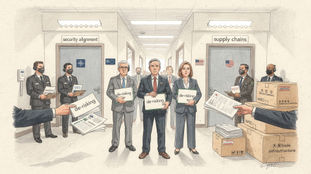
Europe likes to talk about balance. This analysis shows a continent losing it. As rivalry between the United States and China hardens, Europe is being pulled apart by its own dependence, hesitation and fear of choosing sides. The space for comfortable neutrality is shrinking fast.
France in Paralysis: Power Collapses, Problems Pile Up
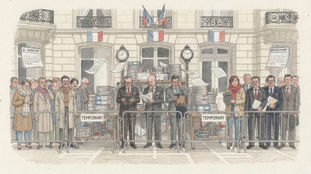
France is stuck in a political traffic jam, and nobody has a clear way out. This analysis shows how the fall of the government has tipped the country into a dangerous stalemate, with weak leadership, blocked institutions and urgent decisions kicked down the road. At a moment of budget strain, social tension and international pressure, Paris is burning time it no longer has.
France on the World Stage: Big Ambitions, Shrinking Room to Act
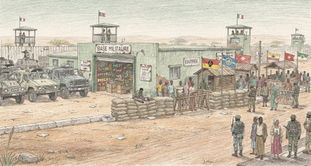
The commentary takes stock of France’s position abroad and finds a country still desperate to look like a global power, but increasingly constrained by reality. Paris talks confidently about leadership, autonomy and influence.
Germany, China, and the End of the Comfort Era
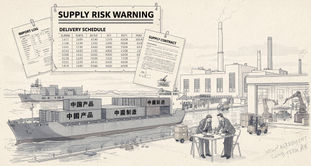
The analysis argues that Germany’s relationship with China marks the quiet end of the post-Cold War world Berlin once thrived in. The old model – trade first, politics later, risks ignored – no longer works. What replaces it is confusion, hesitation and exposed dependence. The piece shows how Germany is struggling to adjust to a world where economic ties are no longer neutral and China is no longer just a market.
Europe Gets Less Security, More Dependence: The Dangerous Trade-Off
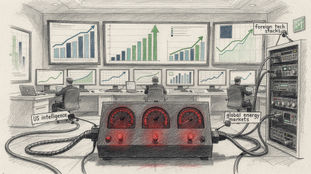
The analysis delivers an unflattering verdict on Europe’s security trajectory. Despite louder rhetoric and higher spending promises, Europe is ending up with less real protection and deeper reliance on others. The piece argues that the EU’s response to a harsher world has been reactive and fragmented, producing the illusion of strength while hard dependencies quietly thicken.
Pushed East by Washington? Europe Caught in a New Squeeze
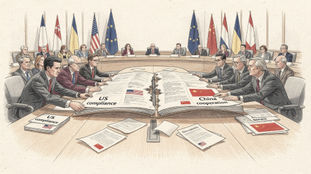
The analysis asks a provocative question Europe would rather avoid – could US pressure end up nudging Europe closer to China instead of pulling it firmly into line. The answer is uncomfortable. As Washington hardens its demands on security, trade and technology, Europe risks being boxed into choices it is not ready to make.
Europe Changes Gear on Defence Buying: Faster Orders, Familiar Limits
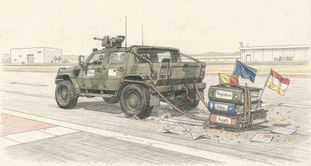
The analysis looks at Europe’s recent push to speed up defence procurement and finds a shift that is real but fragile. After years of drift, governments are buying more, faster and with greater urgency. The problem is that momentum runs straight into old constraints – national habits, industrial bottlenecks and political caution that still blunt impact. Europe is changing gear, but not flooring the accelerator.