
World Center for Strategic Studies
From closed analysis to public debate
POPULAR
- MONTH
- YEAR

Venezuela’s Oil Comeback: Why Germany Gets the Short End
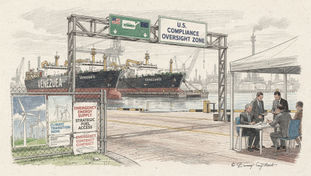
The analysis takes apart the quiet return of Venezuelan oil to global markets and shows why this matters far beyond Latin America. What looks like a technical energy adjustment is, in reality, a geopolitical win for the United States and a reminder of Europe’s shrinking leverage. The paper argues that Germany, in particular, is watching others reshape energy flows while having little influence over the outcome.
Europe’s Gas Illusion: Trading Russian Dependence for American Risk
.jpg?tr=cm-pad_resize,w-311)
The analysis tears into Europe’s comforting story about gas diversification and exposes a harsher truth – dependence has not disappeared, it has simply changed shape. Russian pipeline gas is out, US LNG is in, and Europe is congratulating itself far too early. The paper argues that what looks like resilience is actually selective blindness to new vulnerabilities quietly piling up.
EU Off Course: Big Promises Abroad, Mess at Home
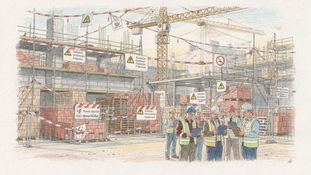
Europe is trying to run before it can walk – and it’s starting to trip.
This CIDOB review asks a blunt question: has the EU lost its sense of direction by chasing global influence while its own foundations remain unfinished?
Brussels wants to be a climate leader, a geopolitical player and an economic heavyweight all at once.
But internal reforms lag, compromises pile up and delivery keeps slipping.
The result is a widening gap between what the EU says it can do and what it actually controls.
Europe’s energy battle with Russia is ugly, confusing – and Brussels is losing influence
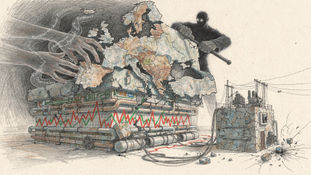
This EUISS commentary exposes a tangled frontline where Russia’s hybrid energy tactics are still inflicting damage on Europe and Ukraine. Moscow has weaponised misinformation, market manipulation and geopolitical pressure to undermine European unity, hit public confidence and delay hard decisions on energy security.
EU trade chaos: how Europe is getting squeezed by the US and China
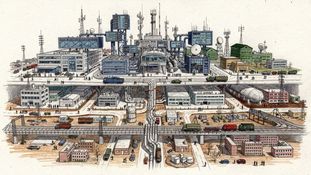
Europe likes to boast about its economic muscle, but behind the scenes the story is far grimmer. A new analysis from the Centre for European Reform shows the EU caught in a tightening vice, pushed around by America, undercut by China and paralysed by its own divisions. What Brussels calls “trade policy” increasingly looks like damage control.
Draghi’s warning still stands: Europe is drifting, divided, and falling behind
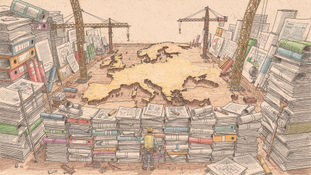
This final HCSS “Draghi Report Revisited” conclusion delivers a clear message – Europe has not fixed the problems Draghi highlighted, and in some areas it is slipping further back. The EU has launched initiatives, announced action plans and promised reforms, but the real gap remains: delivery is too slow, funding is too limited, and national politics still blocks a united strategy. The overall picture is gloomy. Europe faces tougher global competition, rising security threats, and a fragile economic base – yet it still struggles to act like a serious power.
Europe’s energy grid is a sitting duck: China could switch off the lights
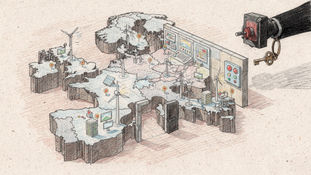
This ECFR analysis raises a frightening scenario Europe has not taken seriously enough – China could exploit hidden dependencies in Europe’s power system and trigger serious disruption, even without a conventional military conflict. As Europe electrifies its economy and pushes renewables, it is also importing critical hardware, software and components that can become strategic choke points. The warning is clear: Europe’s green transition is building a new vulnerability, and Beijing may have ways to weaponise it.