World Center for Strategic Studies
From closed analysis to public debate

- MONTH
- YEAR

Europe’s Populist Revolt: Why Voters Are Walking Away
A growing political rebellion is spreading across Europe, and mainstream parties are struggling to stop it. In this ECFR podcast discussion, Mark Leonard and British MP Liam Byrne argue that the rise of populist movements is not a temporary protest wave but the result of deeper failures that have been building for years.
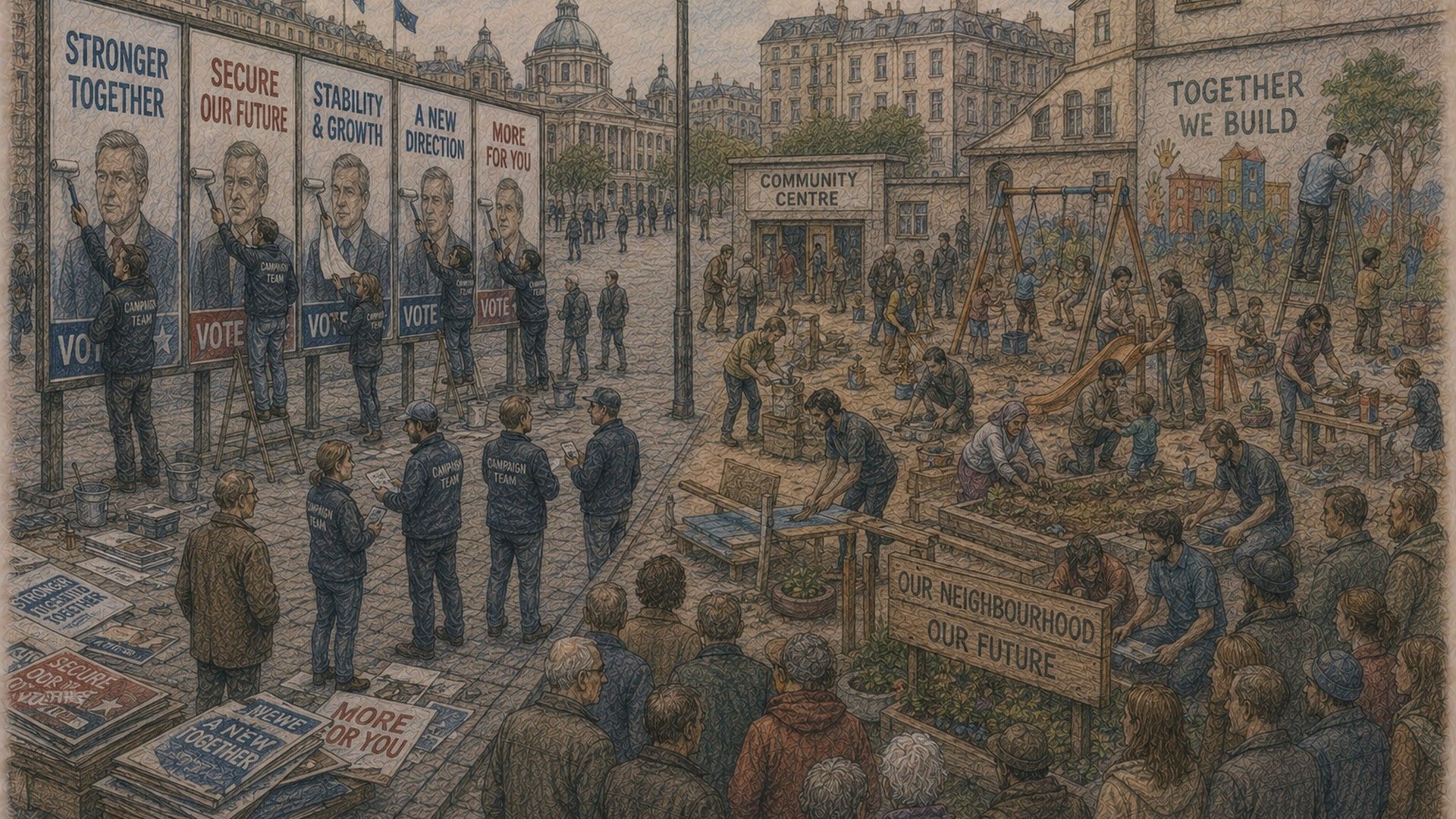
The warning is stark. Millions of voters increasingly believe the political system no longer works for them, economic gains are flowing upwards, local communities are weakening and democratic institutions are becoming less responsive. As mainstream parties scramble to copy populist rhetoric, the forces driving voter anger continue to grow stronger.
The result is a political landscape where trust is collapsing and traditional parties are steadily losing ground.
The centre is losing its grip
The discussion argues that mainstream political forces have misread the nature of the challenge. Too often, established parties treat populism as a communications problem or a temporary electoral disturbance.
Instead, Byrne argues that many voters feel abandoned by economic change, disconnected from political institutions and pessimistic about the future. These frustrations are creating fertile ground for movements that promise to challenge established elites.
The danger for traditional parties is that voter disillusionment is becoming structural rather than cyclical.
Economic promises look broken
One of the strongest themes is the widening gap between expectations and reality. Many citizens were promised that globalisation, technological change and economic integration would deliver broader prosperity.
For large parts of the electorate, that promise now feels hollow. Wage stagnation, housing pressures, declining public services and regional inequalities have created a growing sense that the benefits of economic growth are not being shared fairly.
Populist movements thrive when people conclude that the system is rewarding everyone except them.
Immigration becomes the lightning rod
The conversation also highlights the role of migration in reshaping political debate. Immigration often acts as a focal point for broader frustrations about identity, security, social change and government competence.
According to the discussion, mainstream parties may be making a serious mistake by simply adopting tougher rhetoric in an attempt to win back voters. That strategy can legitimise populist narratives without addressing the deeper concerns driving public anger.
The political battle is increasingly about trust rather than policy detail.
Money, media and influence
The podcast points to powerful networks helping populist movements expand their reach. Wealthy donors, alternative media ecosystems and digital platforms are reshaping political communication across Europe and beyond.
These networks amplify anti-establishment narratives while weakening the influence of traditional gatekeepers such as established political parties and legacy media organisations.
The information battlefield is becoming just as important as the electoral one.
Europe is entering an age of pessimism
A recurring theme is cultural pessimism. Many voters no longer believe that the next generation will enjoy better opportunities than the current one.
That loss of optimism has profound political consequences. When confidence in future progress disappears, voters become more willing to support movements that promise disruption, confrontation and radical change.
For established parties, restoring trust may be harder than winning individual elections.
Process is replacing politics
The discussion suggests that mainstream politics increasingly appears managerial, procedural and disconnected from everyday concerns. Citizens often see governments managing systems rather than solving problems.
This creates an opening for populist leaders who present themselves as outsiders willing to challenge institutions directly, regardless of whether they can realistically deliver on their promises.
The more politics looks technical and distant, the easier it becomes for anti-system movements to gain support.
The uncomfortable truth: Voters are not just protesting
The rise of populism is often portrayed as a temporary backlash. The ECFR discussion suggests something more serious is happening.
Economic insecurity, weakened communities, declining trust and political frustration are combining into a broader challenge to the post-Cold War political order. Mainstream parties are not simply losing votes – they are losing credibility.
Unless governments address the conditions driving public anger rather than merely reacting to its symptoms, Europe’s populist surge may not be a passing phase.
It may be the new political reality.