World Center for Strategic Studies
From closed analysis to public debate
- MONTH
- YEAR

Brussels Talks Strategy, Europe Still Drifts
The European Commission wants to be seen as Europe’s strategic brain. This report asks how much steering power it actually has. The answer is uncomfortable. Brussels can frame debates, launch initiatives and warn about risks, but when hard choices appear, control slips back to national capitals. Strategy is talked up, not locked in.
The study’s core argument is measured but sharp. The Commission has expanded its role in defining Europe’s strategic outlook, especially on security, trade and technology. Yet influence depends on member states willing to follow. When politics turns sensitive, the centre guides less and negotiates more.
Agenda-setter, not commander
The Commission shapes language and priorities. The analysis shows how it sets narratives on strategic autonomy, resilience and de-risking. But turning words into binding action remains a struggle.
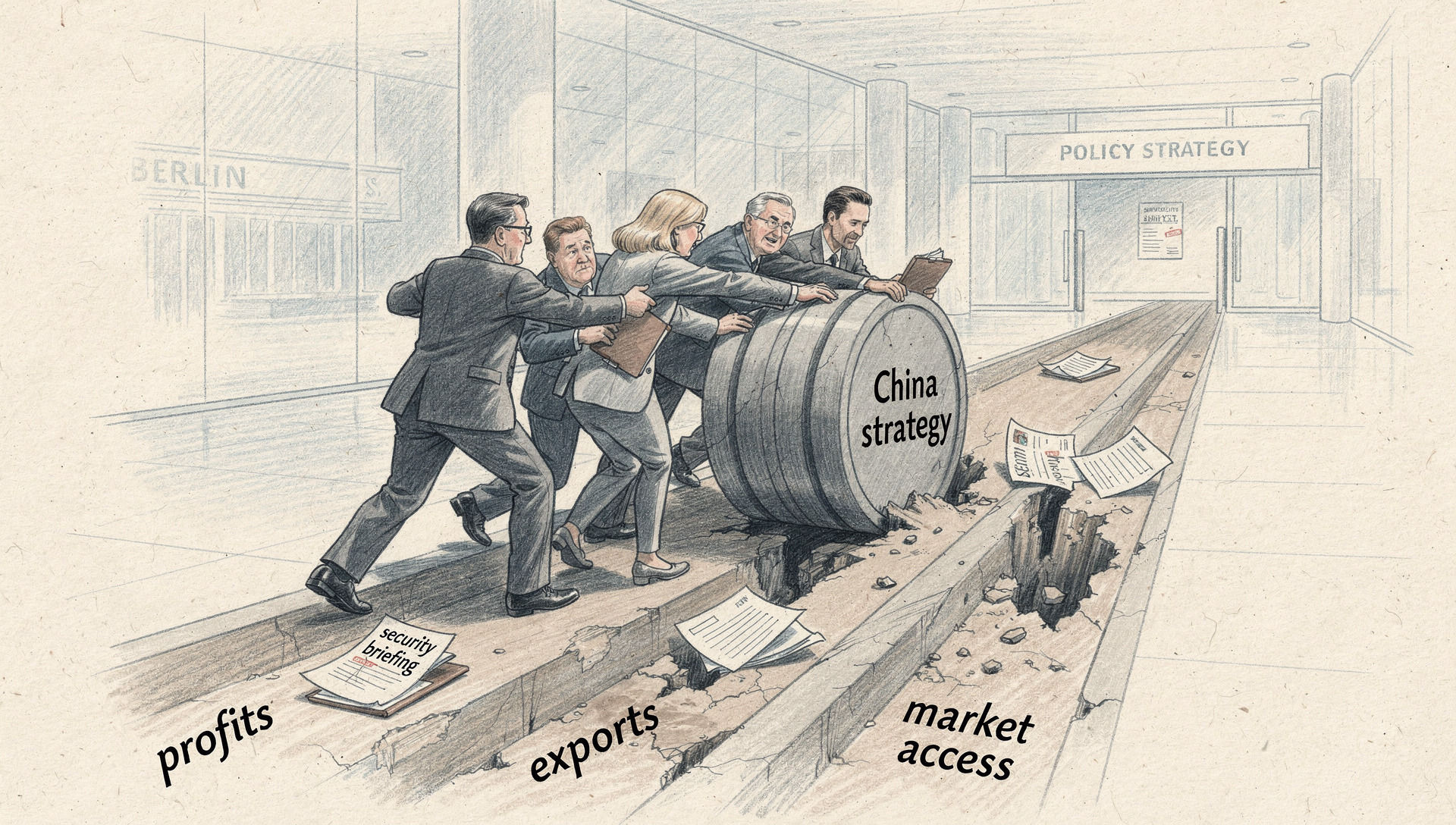
Power stops at national borders
Defence, foreign policy and key economic levers stay with governments. The report underlines how member states selectively adopt Commission ideas, filtering them through domestic interests and electoral concerns.
Crisis boosts Brussels, briefly
Emergencies give the Commission momentum. During shocks, coordination improves and authority grows. The paper shows how this power recedes once pressure eases, leaving half-built strategies behind.
Fragmentation dilutes impact
Different national visions pull strategy apart. The analysis highlights how internal divisions slow implementation and water down ambition, even when the diagnosis is shared.
Tools multiply, coherence lags
New instruments, funds and frameworks appear, but alignment is patchy. The report warns that process risks replacing outcomes, creating the illusion of direction without delivery.
Leadership without enforcement
The Commission can propose and persuade, but rarely compel. Its steering role relies on consensus, making it vulnerable to obstruction and delay.
What this reveals: Strategy without grip.
Europe increasingly knows what it wants, but struggles to make it happen.
Unless member states hand Brussels more authority or accept tougher coordination, Europe’s strategic outlook will remain well-mapped and weakly enforced.